
Newsletter Fall 2018
Life Insurance Awareness Month
September is Life Insurance Awareness Month (LIAM). This month is dedicated to educating people and businesses on the importance of life insurance and helping them get the coverage they need.
2018 Life Insurance Facts & Stats
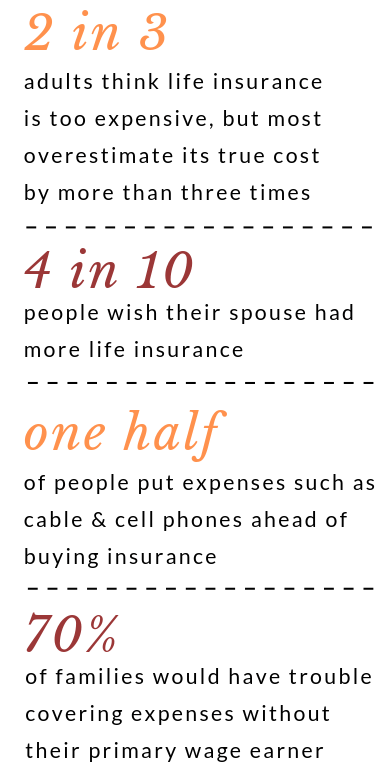 According to LIMRA, more than one third (35%) of all American households would feel adverse financial impacts within one month if a primary wage earner died. While most adults do own life insurance, about 1 in 5 say they do not have enough. Approximately 50 million households recognize they need more life insurance.
The top three reasons people gave for not buying life insurance (or for not buying more) are that it’s too expensive, they have other financial priorities and that they already have enough coverage.
Life Insurance 101
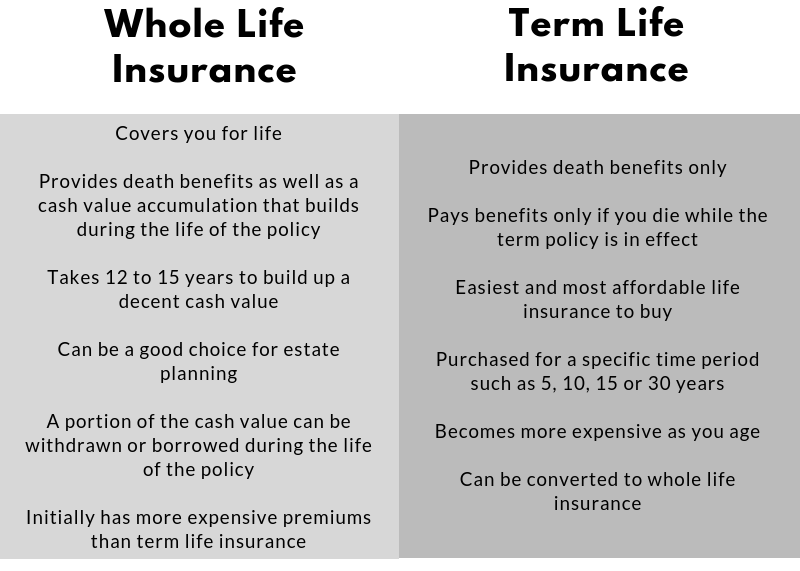
Basically there are two types of life insurance: term and permanent. Term insurance is purchased for a certain period of time (i.e. 5 years, 10 years, 30 years) and is only paid out in the event of a death. This type of insurance is useful if someone relies on you financially, or if you want to cover funeral costs, pay off any outstanding debt you may have (i.e. credit cards or student loans) or leave money behind to loved ones when you die. Term insurance is less inexpensive than permanent insurance, but once your term is over, there is no payout.
Permanent insurance is a little different. You have permanent insurance until the day you die. It can be more costly, but permanent insurance builds cash value over the years. You can also use this type of life insurance policy for things like funding college tuition, providing cash flow in retirement or paying for unexpected medical bills. Initial premiums are more expensive than term life insurance, but these types of policies can potentially save you money over the life of the policy if it is inforce for a considerable number of years.
Applying for Life Insurance
Buying life insurance may seem intimidating and daunting. However, the process is actually pretty straight forward:
- Meet with an agent
- Set up a medical exam
- Review and sign life insurance application
- Carrier reviews application
- Medical records are ordered if needed
- The underwriter makes an offer
- Policy is issued
- Sit down with your agent and review policy
- Sign delivery requirements and pay premium to put policy inforce
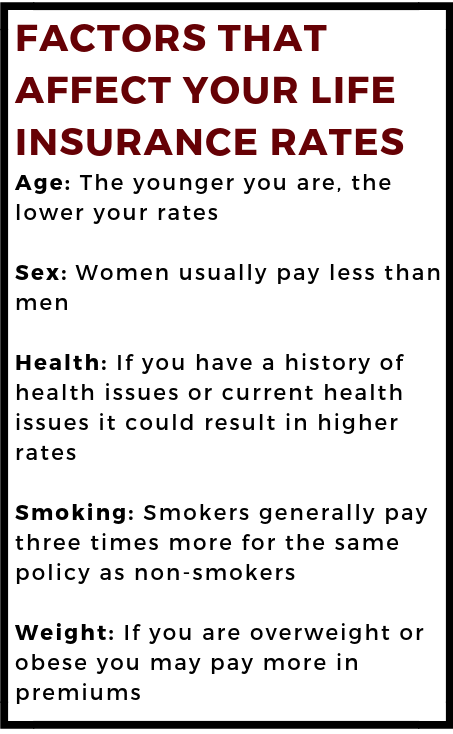 Many factors are taken into consideration during the underwriting process. It is important to note that things such as age, health and whether or not you smoke, will affect how you are rated and therefore how much you pay in premiums.
The life insurance underwriting process can take anywhere from a couple weeks to a couple months. While your agent will do everything to get your application submitted and processed as quickly as possible, there are a few things you can do to help expedite the process:
- Disclose any and all information upfront (i.e. medical history, family history, medications, and financial history)
- Complete a medical exam quickly
- Return any requirements and signatures promptly
Email us today if you are interested in getting a free life insurance quote!
Other Newsworthy Updates
Paid Family Leave Changes for 2019
2019 Rate & Maximum Contribution Changes for 2019
New York’s Department of Financial Services published the Paid Family Leaverate for the 2019 calendar year.
The maximum contribution rate for PFL will go from 0.126% to 0.153% of the employee’s gross annualized wages capped at the New York State Average Weekly Wage (NYSAWW) of $70,569.72 per year.
This means that the 2019 maximum annual contribution per employee is $107.97.
The Department of Financial Services also confirmed an increase in maximum benefits for 2019 to 55% of the NYSAWW, up from 50% in 2018.
Paid Family Leave Benefit Changes for 2019
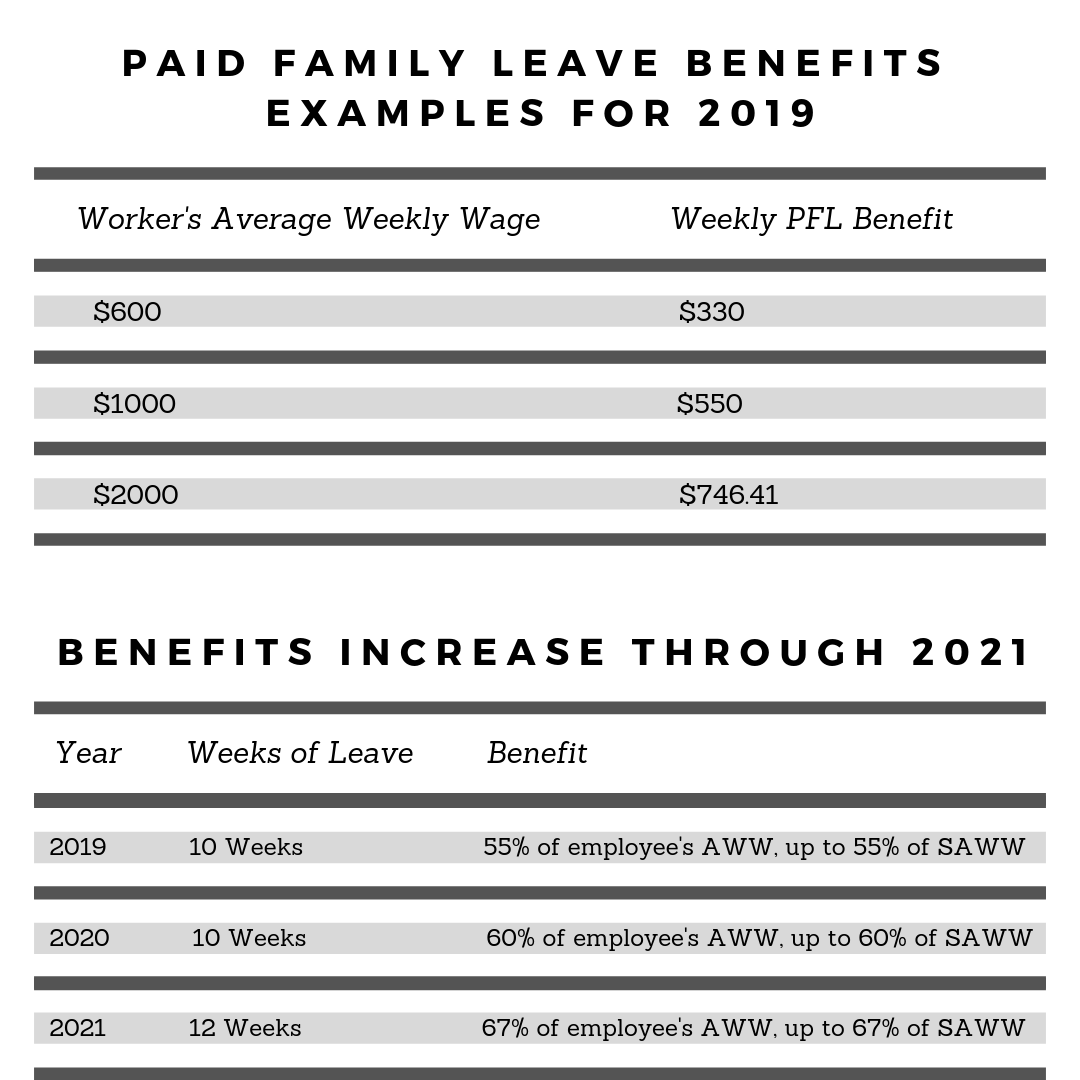
More time with loved ones. Starting January 1, 2019, the number of weeks eligible employees can take (to bond with a new child, care for a sick family member, or assist loved ones when a family member is deployed abroad on active military service) increases to 10 weeks.
More financial security. The PFL wage replacement benefit is also increasing. In 2019, employees taking PFL will receive 55% of their average weekly wage, up to a cap of 55% of the current Statewide Average Weekly Wage of $1,357.11. The maximum weekly benefit for 2019 is $746.41.
Medicare Part D Notification Requirements
What do our clients have to say?
News & Events
Winter Newsletter 2018
A special thank you! As 2018 comes to an end, we would like to thank all of our clients for your...
Read moreMissed Open Enrollment? Options for Coverage for 2019
Open Enrollment ended on December 15th. Most people need to wait until next year's Open Enrollment...
Read moreDNA Testing Kits and Life Insurance
DNA Testing Kits, such as 23andMe, have become a popular item. They are tests that allow...
Read moreCrowdfunding to Pay for Medical Costs
It's no surprise that healthcare costs are on the rise in America. After all, healthcare in the US...
Read moreStay Healthy This Holiday Travel Season
Do you have plans to travel this holiday season? We'd like to help keep you healthy and away from...
Read moreHow to Open an HSA: What You Need to Know About Health Savings Accounts
An HSA is a Health Savings Account where you can put aside pre-tax dollars to pay for qualifying...
Read more